Hey friend—imagine slipping into crystal-clear water, the early morning sun painting everything gold, and gliding next to a gentle giant. If you’re craving an unforgettable eco-adventure, let me introduce you to the conservation whale shark season Sumbawa experience in Indonesia. Yup—this is where you don’t just see whale sharks, you swim with them.
Why the phrase “conservation whale shark season Sumbawa” matters
When we say conservation whale shark season Sumbawa, it isn’t just about peak tourism. It’s about a season dedicated to protecting these majestic creatures, ensuring sustainable tourism, and making sure their home—Saleh Bay in Sumbawa Island—thrives. Globally the endangered species Whale Shark (scientific name Rhincodon typus) deserves our care; here in Sumbawa they’re part of a real-life conservation story.
Location & magic: Whale Sharks & Sumbawa
In Saleh Bay, the gentle giants make their home year-round, but there are times when the conditions are simply ideal. Plankton blooms swirl. The sea is calm. A special window opens. That is the heart of the conservation whale shark season Sumbawa.
Here’s the scoop:
- Saleh Bay is a semi‐enclosed bay connected to the Flores Sea and is rich in nutrients that attract whale sharks.
- According to research, whale sharks have been observed year-round in the bay, but highest sightings tend to happen in March & April (and broadly April to November).
- Local communities in villages like Labuan Jambu are now actively involved in “whale shark boat tour” operations—offering a chance to swim with whale sharks while supporting conservation and livelihoods.
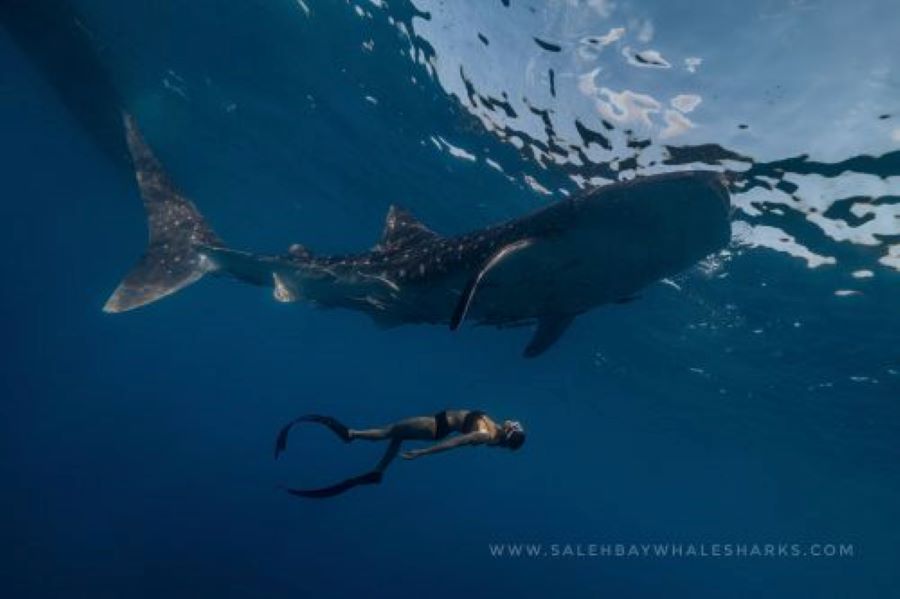
Best time & what to expect
Remember: conservation whale shark season Sumbawa isn’t just about tourism—it aligns with ecological rhythms and weather conditions that favor safe, responsible encounters.
When to go
- Peak season: Roughly April to November—when seas are calmer, visibility is higher, and plankton (the whale sharks’ food) is plentiful.
- Year-round presence: Yes, you can spot whale sharks other times, but early mornings and dry season matter for a quality experience.
What the adventure looks like
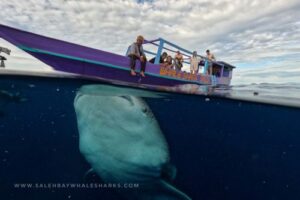
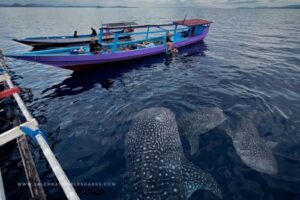
- A “whale shark boat tour” begins with a boat ride out to the appropriate zone (often near traditional bagan fishing platforms where small fish & plankton gather).
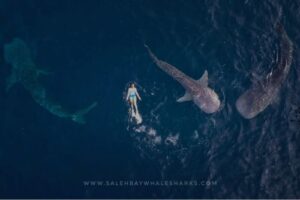
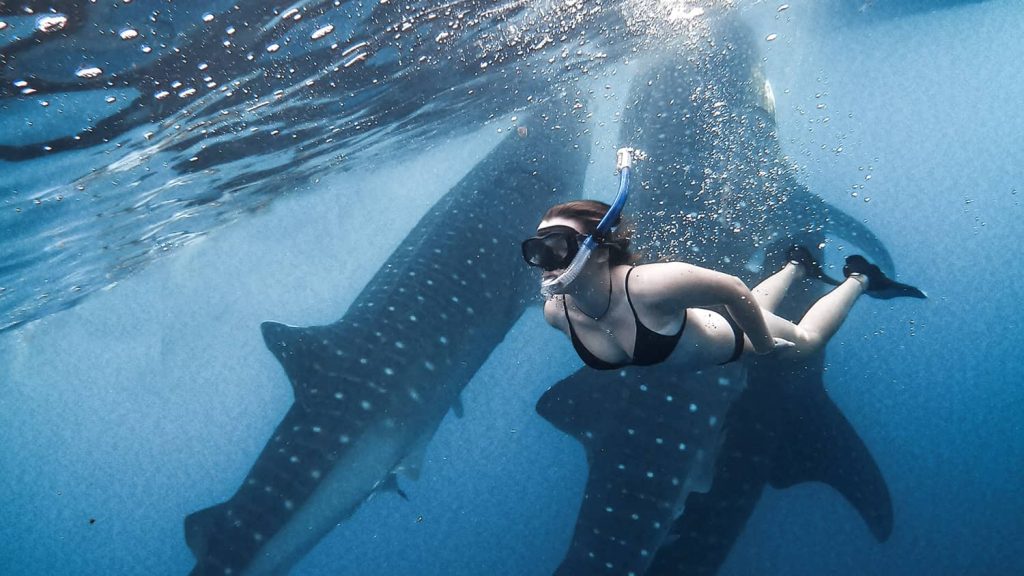
- You then swim with whale sharks—in calm water, wearing mask/snorkel, guided by trained staff who follow conservation protocols.
- It’s not just about the thrill. You’ll likely hear a briefing about the local ecosystem, the community’s role, and how you’re joining a conservation effort.
What you’ll feel
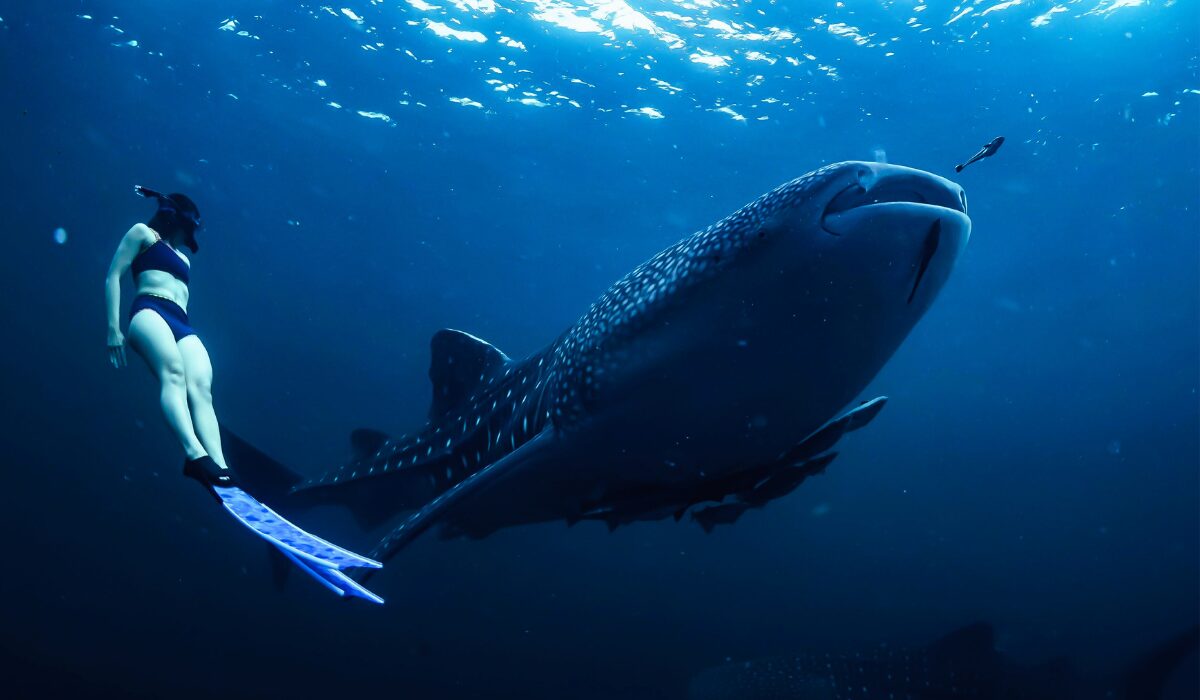
Picture this: you float, breathe gently, the water is clear bass-blue, you sense something huge gliding gracefully beneath you. Your heart pulses with awe—not fear. You’re part of a moment. That’s the magic of swimming with whale sharks in Sumbawa.
Conservation – The Real Deal
The phrase conservation whale shark season Sumbawa speaks to more than timing—it speaks to responsibility.
- The local government and NGOs are crafting zoning plans in Saleh Bay to separate fisher zones, tourist boat zones and protected habitats.
- A €500,000 grant from the French Embassy supports whale shark habitat protection, enforcement of codes of conduct, and sustainable tourism development in Sumbawa.
- Guidelines for interacting: maintain safe distance (3–10 m), do not touch the sharks, avoid flash photography, limit boat numbers—these rules help both you and the animals.
- The marine ecosystem is remarkably biodiverse: more than 560 coral reef species have been recorded in Saleh Bay. Protecting the whale sharks Sumbawa also means protecting the bay’s whole ecosystem.
So when you book a whale shark boat tour in Sumbawa during the conservation whale shark season Sumbawa, you aren’t just a visitor—you’re a participant in protection. And that’s powerful.
Practical tips for you (so you go like a pro)
- Get up early morning—many tours depart at dawn to catch the best light and the sharks near feeding zones.
- Choose a tour operator that emphasizes conservation (follows code of conduct, small group sizes, respectful interaction). Ask about their policies.
- Bring your own gear (snorkel, mask, rash guard) if possible to ensure comfort.
- As part of your swim with whale sharks: stay calm, avoid rapid movements, keep your distance, and listen to your guide.
- Respect the ecosystem: don’t leave trash, avoid loud splashes, don’t chase or touch the animals.
- Consider staying a little longer to explore more of Sumbawa—since you’re already there!
Why this season, why Sumbawa?
Here’s the emotional pull—and why you’ll remember this forever:
- You’re witnessing gentle giants in one of the few places they’re reliably found — that’s significant.
- You’re swimming with whale sharks in a place that cares about them. That adds meaning.
- The waters, the vibe, the authentic local culture—it’s not mass tourism; it’s something raw and real.
- And think about it: you’re not only booking an adventure, you’re supporting a conservation story in Sumbawa.
So, dear friend: if your bucket list whispers “swim with whale sharks”, and you want that adventure to matter—then let conservation whale shark season Sumbawa be your call. Let it be more than a tick on your list. Let it be a memory, and a contribution.
Let your dream include the mirror-calm waters of Saleh Bay, the sleek silhouette of a whale shark gliding by, the sun shimmering off water, and the thought: I was here. I respected. I witnessed. I felt.
If you’re ready, I can help you pick best months, tour operators, cost estimates, and itinerary for this exact adventure. Want me to dig those details?