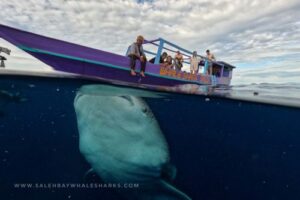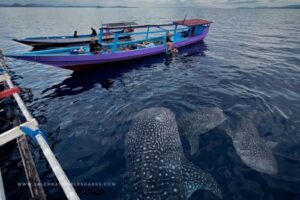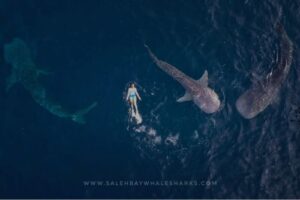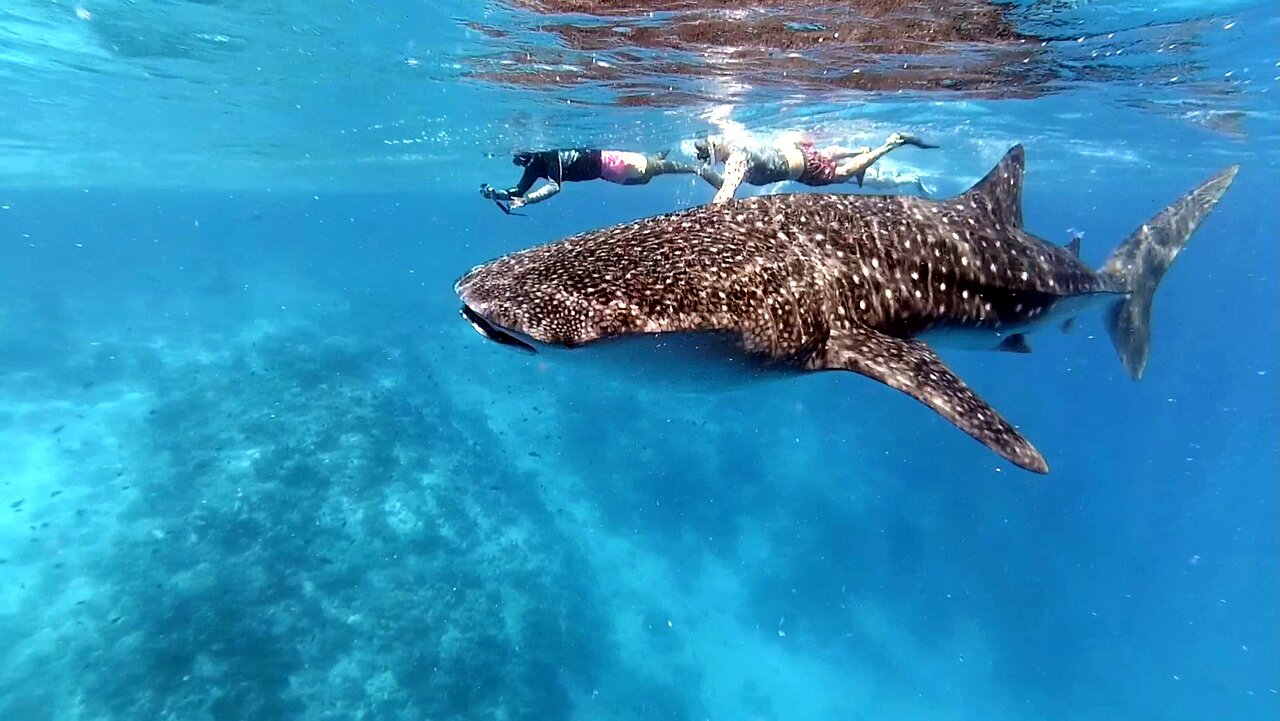
Photography whale shark snorkeling is not just about pressing a shutter. It’s about timing your breath, reading the water, and allowing something enormous to glide past you without panic. If you’re looking for an experience that sells itself the moment you see the first shadow below the surface, this is it. And yes—if you’re ready to stop scrolling and actually do it, many travelers decide fast after seeing real encounters.
Let me be blunt for a second. Opportunities for photography whale shark snorkeling don’t wait. Conditions change. Migrations shift. Boats fill. If you’ve been thinking about whale shark Sumbawa for months, this is usually the moment people act. I’ve seen it happen—hesitation turns into regret once the videos start circulating. A simple message to WhatsApp +62 852 0534 1367 can be the difference between “someday” and being in the water next week.
And here’s the thing most guides won’t say out loud: the best photography whale shark snorkeling moments happen when you’re calm, prepared, and actually present. Not rushed. Not overthinking gear. Just you, your camera, and the quiet weight of a whale shark moving like a slow dream beneath the surface.
Why Photography Whale Shark Snorkeling Feels Different
There’s snorkeling… and then there’s snorkeling with whale sharks.
The first time I slipped into the water during a whale shark snorkeling tour, I expected chaos. Boats. Bubbles. People shouting. Instead, there was a pause. A strange stillness. Then the pattern appeared—white dots like a constellation drifting through blue.
Photography whale shark snorkeling forces you to slow down. You can’t chase a whale shark. You wait. You float. You adjust your buoyancy, feel the salt on your lips, hear only your breathing. That’s when the frame reveals itself.
Some days the light is sharp, cutting through the water like glass. Other days it’s muted, soft, almost cinematic. Both work. Both tell different stories. That’s the beauty—no two encounters look the same, even in the same location.
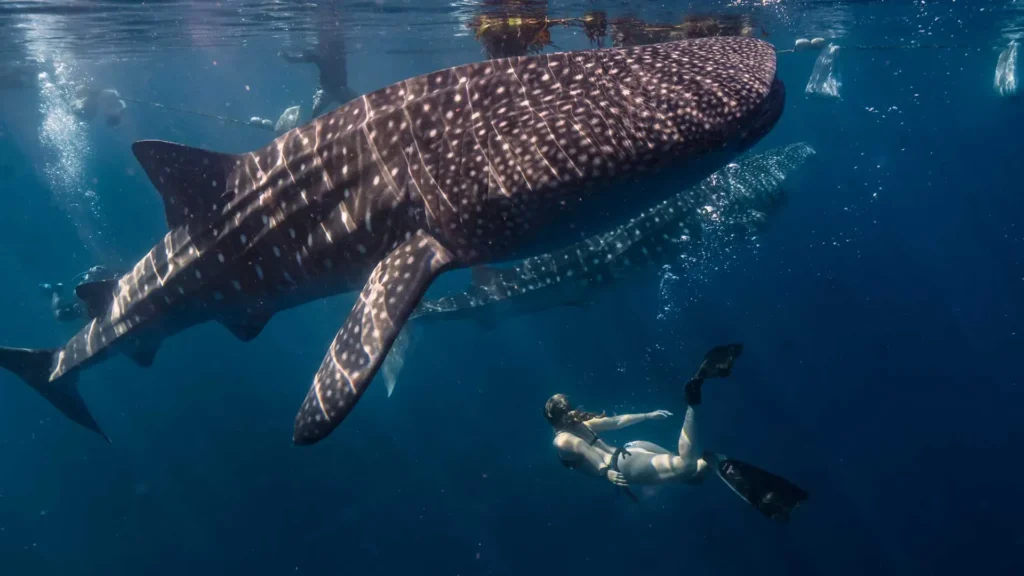
Whale Shark Sumbawa: A Quiet Star Among Destinations
Whale shark Sumbawa doesn’t scream for attention. It doesn’t need to.
Compared to busier spots, Sumbawa offers space. The water feels less crowded, the encounters more respectful. For photography whale shark snorkeling, that matters. Fewer fins, fewer splashes, fewer distractions in your frame.
I remember one morning when the sea looked almost flat. Not perfect. Just… cooperative. The whale shark surfaced slowly, as if testing the day. That moment—before anyone entered the water—was already a photograph in my head.
Sumbawa’s charm lies in its restraint. The environment feels like it hasn’t been overexplained yet. And honestly, photographers thrive in places that still hold a little mystery.
The Reality of Snorkeling With Whale Sharks
Snorkeling with whale sharks is often imagined as dramatic. And yes, sometimes it is. But more often, it’s subtle.
You float. You wait. You doubt whether the shadow is real. Then it moves.
Photography whale shark snorkeling rewards patience more than aggression. Fast kicks scare fish. Calm bodies attract curiosity. Whale sharks are gentle, but they’re also aware. They notice energy.
I’ve seen people miss incredible shots because they rushed. I’ve also seen someone with a simple action camera capture magic just by staying still. That’s not gear. That’s presence.
And presence can’t be rented.
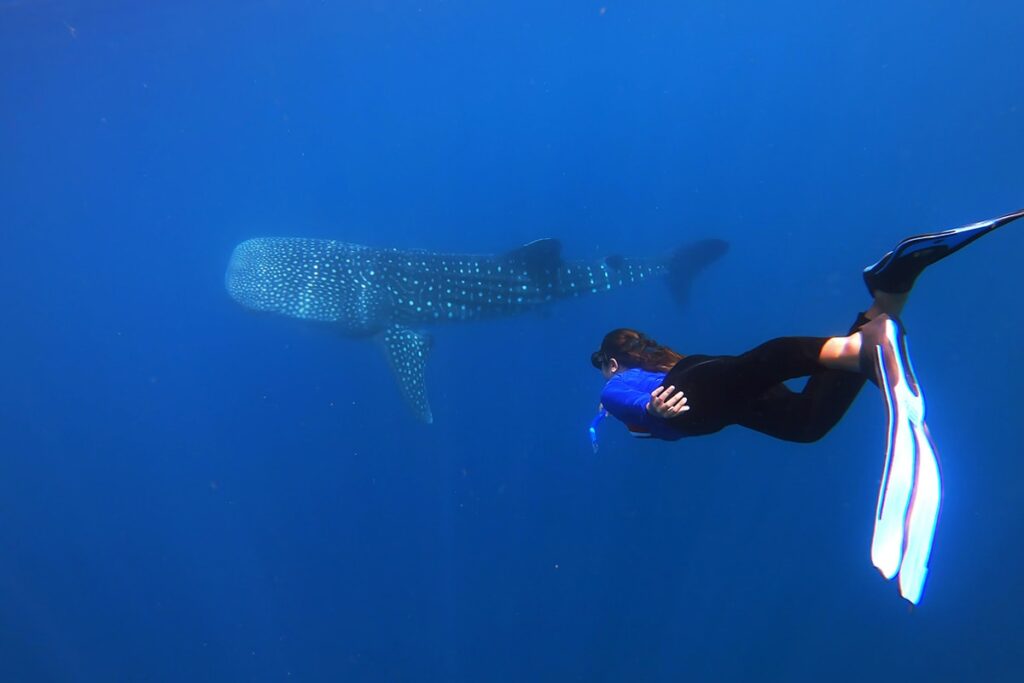
Gear Matters… But Not How You Think
Let’s pause here. Because this comes up a lot.
You don’t need the most expensive housing to succeed in photography whale shark snorkeling. You need reliability. Comfort. Familiarity. Knowing exactly how your camera behaves underwater saves mental space.
Wide-angle lenses are your friend. Natural light often beats artificial strobes when shooting massive subjects. Whale sharks don’t need dramatization—they already fill the frame emotionally.
I once shot an entire session adjusting nothing. Same settings. Different angles. The variety came from movement, not menus.
Whale Shark Snorkeling Tour: What Actually Shapes the Experience
A whale shark snorkeling tour isn’t defined by how many sharks appear. It’s shaped by how the day unfolds.
Some mornings start slow. Coffee tastes stronger. The horizon looks undecided. Then suddenly, the radio crackles. Movement. Everyone stands up at once.
Other days, encounters come back-to-back. You barely dry off between sessions. Both days teach you something different about photography whale shark snorkeling.
The best tours allow breathing room. Not just physically, but mentally. You need time to review shots. To recalibrate expectations. To let ideas repeat themselves—from a new angle.
Because repetition is learning.
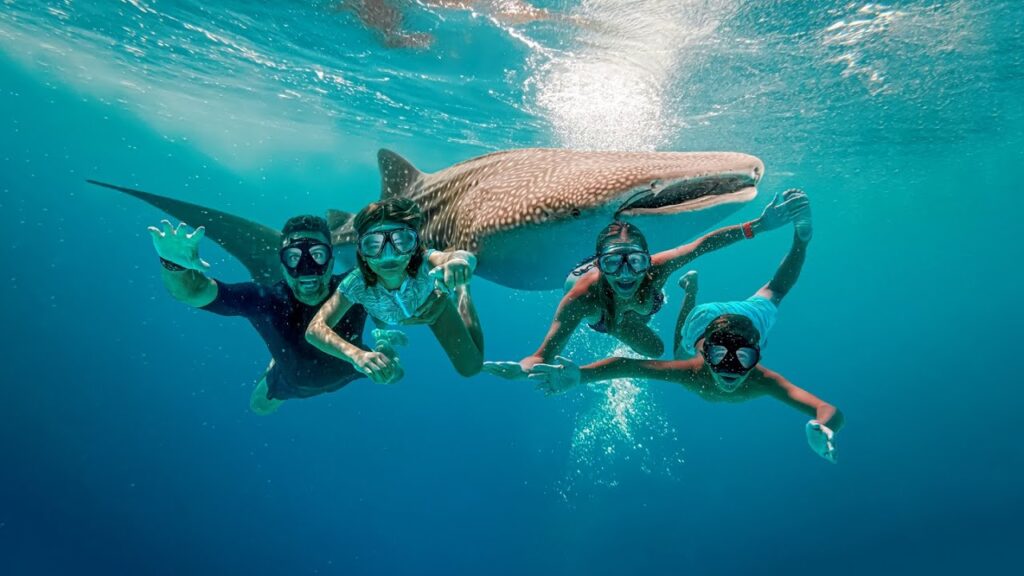
Light, Depth, and That One Missed Shot
Here’s a small confession.
I once missed what could’ve been my favorite photo. I adjusted my mask. The whale shark turned slightly. The moment passed. Gone.
Photography whale shark snorkeling includes loss. Missed frames. Blurry memories. And somehow, that makes the successful shots more valuable.
Depth matters. Too shallow and reflections distort patterns. Too deep and light disappears. Finding that middle layer takes practice—and instinct.
Instinct grows quietly.
Ethics Beneath the Surface
Snorkeling with whale sharks isn’t about domination. It’s about coexistence.
Responsible photography whale shark snorkeling means distance. Respect. Letting the shark decide the interaction. When photographers forget this, the images suffer anyway. Tension shows.
In whale shark Sumbawa, guidelines are often enforced gently but firmly. And that’s good. A relaxed animal creates better photographs. Always.
Sometimes doing less gives you more.
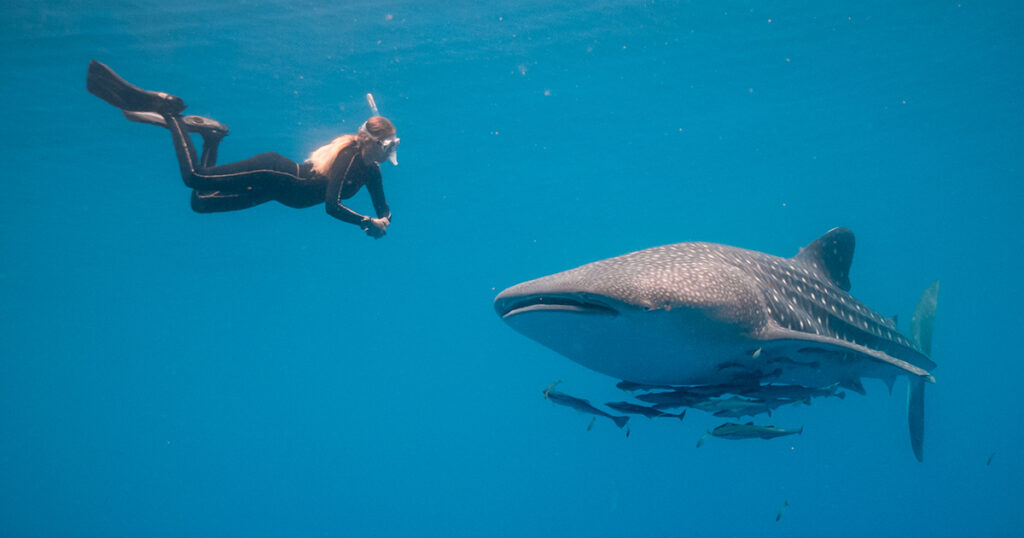
Why People Return for Another Whale Shark Adventure
People say it’s about better photos. Sometimes it is.
But often, it’s about unfinished conversations with the sea. That one angle you didn’t try. That behavior you didn’t understand. That feeling you couldn’t name.
Photography whale shark snorkeling leaves threads hanging. And humans don’t like unfinished stories.
So they return.
When Doubt Shows Up in the Water
There’s a moment—usually after the first dive—when doubt creeps in.
“Was that it?”
“Did I do it right?”
“Should I change something?”
This is normal. Let it pass. The second or third encounter often lands deeper. You relax. You stop forcing outcomes.
And suddenly, the whale shark swims closer than before. As if responding to your calm.
Coincidence? Maybe.
Snorkeling With Whale Sharks Changes Your Visual Language
After enough time, photography whale shark snorkeling alters how you see scale. Movement. Space.
You stop centering everything. You allow emptiness in your frame. You let the shark exit instead of enter.
Negative space becomes emotional space.
That’s when your images start feeling… quiet. And powerful.
Ending Where It Begins: Choice
At some point, reading turns into choosing.
You can keep imagining photography whale shark snorkeling. Or you can let salt dry on your skin, scroll through images that don’t quite capture how it felt, and plan the next return before you’ve even left.
If the idea of a whale shark adventure keeps looping in your head, that’s not random. That’s curiosity asking for movement. Click WhatsApp +62 852 0534 1367 and step into the water while the season still whispers your name.